
Seven planetary boundaries remain breached in the 2026 assessment
The report updates indicators and warns about the fragility of ecosystems that absorb carbon. Not every change in the numbers reflects an actual change in nature.
Leitura autorizada · 3 crédito(s) restante(s)
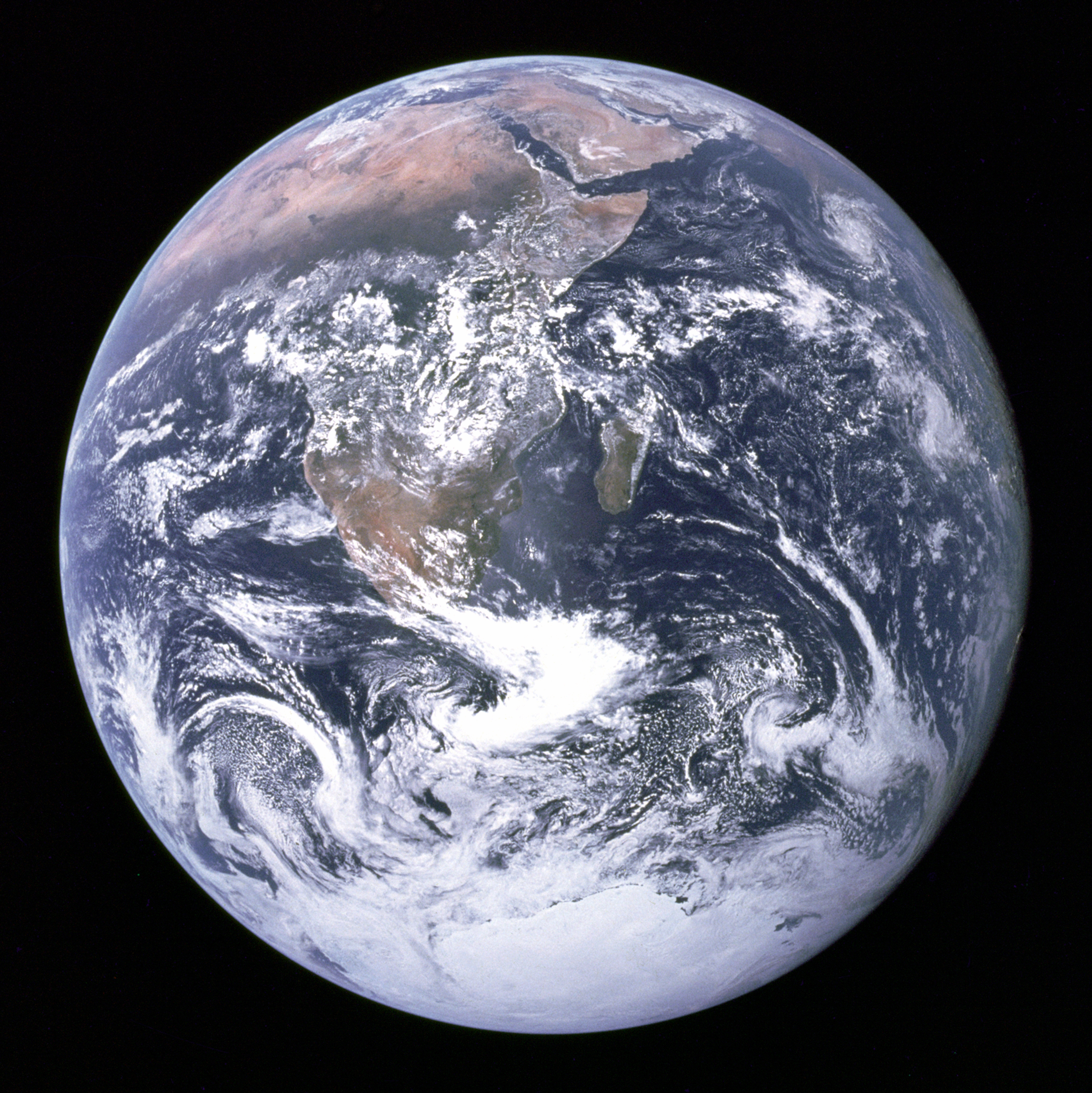
Earth remains beyond seven of the nine environmental boundaries used to assess the stability of its natural systems. Planetary Health Check 2026, released on September 21 by the Potsdam Institute for Climate Impact Research, maintains that diagnosis and examines a crucial vulnerability: how long forests, soils, and other ecosystems will keep removing carbon from the atmosphere while also suffering from warming and degradation.
Planetary boundaries are not nine expiration dates for the planet. They are precautionary reference levels for processes that support relatively stable environmental conditions. Crossing them raises the risk of severe, persistent changes without meaning that every system has already passed an irreversible tipping point. The assessment brings together data and scientific literature and compares 13 indicators with those reference levels; it is neither a single experiment nor a set of measurements all taken in the same year.
Climate, biosphere integrity, land use, freshwater, nitrogen and phosphorus flows, ocean acidification, and the introduction of substances such as synthetic chemicals remain outside the range considered safe. Acidification had already brought the count to seven in 2025. This edition does not announce an eighth breach. Stratospheric ozone and aerosols remain within the assessed global boundaries, although the global aerosol average does not rule out regional problems.
One concrete development is the revision of the forest indicator. By improving the classification of potential forest areas and including previously omitted classes, the authors raised estimated remaining forest cover from approximately 59% to 64% of potential cover. They also corrected the aggregation of the global boundary, from 75% to 78%. The forest-cover data still extend only through 2022: the larger number does not document recent forest regrowth. The boundary remains breached because estimated cover is still below the revised threshold.
This distinction between scientific updates and environmental change runs throughout the report. For freshwater, the analysis still covers 1901–2019; for nitrogen and phosphorus, the global indicator values used in the current assessment have not received new data. The acidification analysis, meanwhile, now brings together four datasets, all extending through 2024. The picture of persistent risk should therefore not be read as though every indicator had worsened in a new measurement made in 2026.
The chapter on land carbon uptake explains why these pressures must be considered together. Plants remove carbon dioxide from the air, and some of that carbon remains in vegetation and soil. Heat, drought, fire, and degradation can weaken this storage. The synthesis identifies signs of stagnation or weakening in the land carbon sink and discusses the possibility that models overestimate its resilience; it does not conclude that all forests have already stopped absorbing carbon.
The implication is that cutting emissions and conserving ecosystems are interdependent tasks. If nature absorbs less carbon than expected, a larger share of emissions will remain in the air. The report provides an integrated diagnosis of this vulnerability while also making unfinished work explicit: improving indicators, updating observational records, and distinguishing changes in the planet from revisions in how we measure it.
Key points
- Seven of the nine boundaries remain breached; that count was already reached in 2025.
- The revision of forest cover from about 59% to 64% reflects calculation changes, not observed recovery.
- The ability of land ecosystems to absorb carbon cannot be treated as a permanent guarantee.
Comments
No comments have been published yet.
Sign in with a subscription to comment.