Roman: a new window on the dark Universe
Scheduled to launch on 30 August, the telescope will pair Hubble-quality imaging with a field of view over 200 times larger.
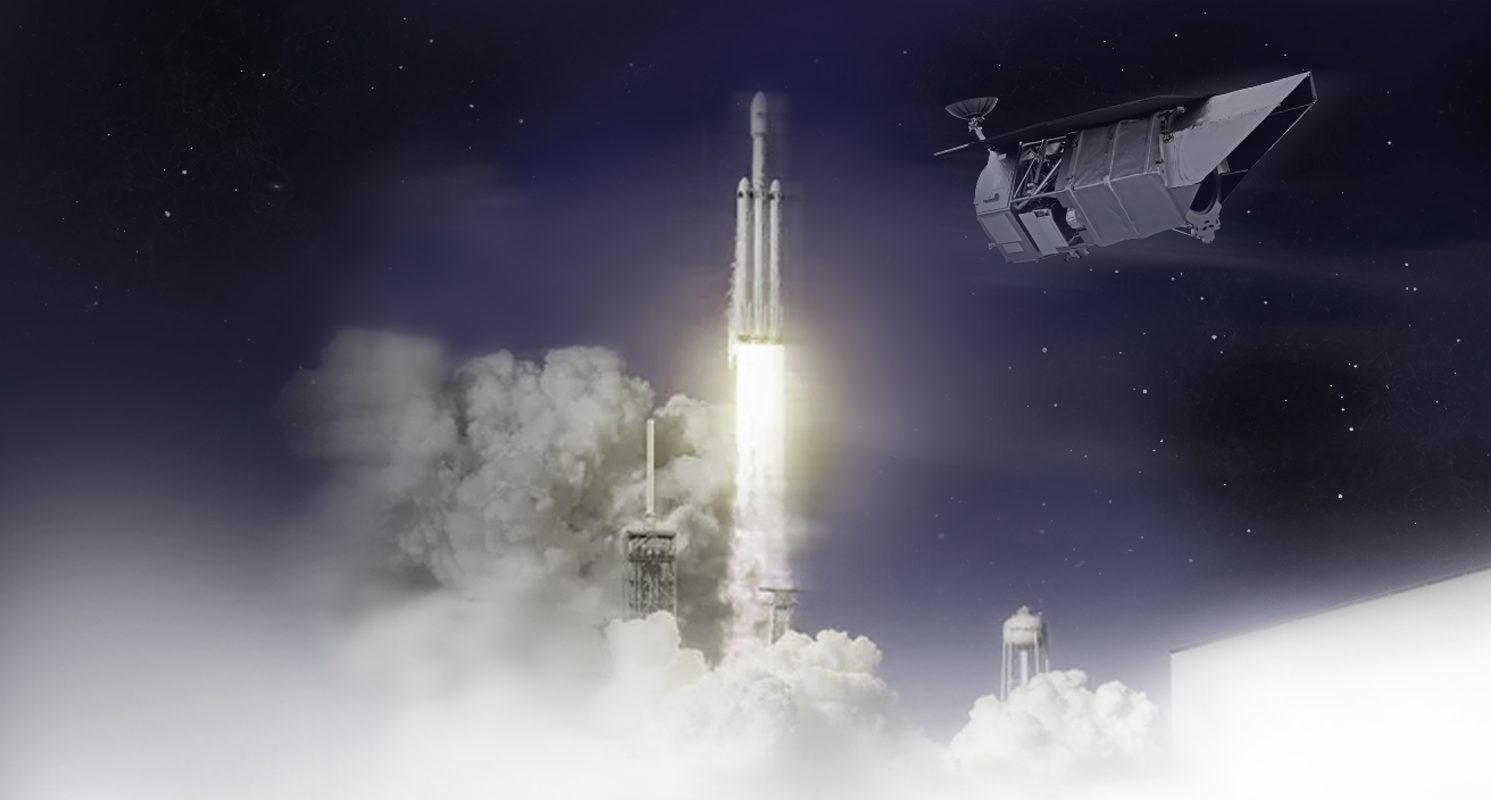
The Nancy Grace Roman Space Telescope reaches the launch pad with an ambition proportional to its field of view: to probe cosmic expansion, map dark matter and radically enlarge the census of exoplanets. The NASA-led mission, with ESA participation, is scheduled to leave Kennedy Space Center on 30 August 2026.
Its 300-megapixel Wide Field Instrument will observe from visible to near-infrared wavelengths. Type Ia supernovae, baryon acoustic oscillations and weak gravitational lensing will reconstruct cosmic expansion and matter distribution over time. This does not ‘photograph’ dark energy; it tests its effects through distinct observational indicators.
The mission’s epistemic strength lies in convergence. When independent methods point to the same cosmological parameter, an instrumental bias is less likely to masquerade as discovery. Roman was not built to protect a comfortable cosmology, but to make it easier to falsify with precision.
Key points
- A field of view more than 200 times Hubble’s, with comparable image quality.
- It will scan about 12% of the extragalactic sky for weak-lensing signals.
- Dark matter and dark energy will be tested through multiple indicators, not treated as directly photographed objects.