The mind is not software installed in the brain
The hardware–software metaphor is seductively simple, yet it erases body, plasticity, history and social relations.
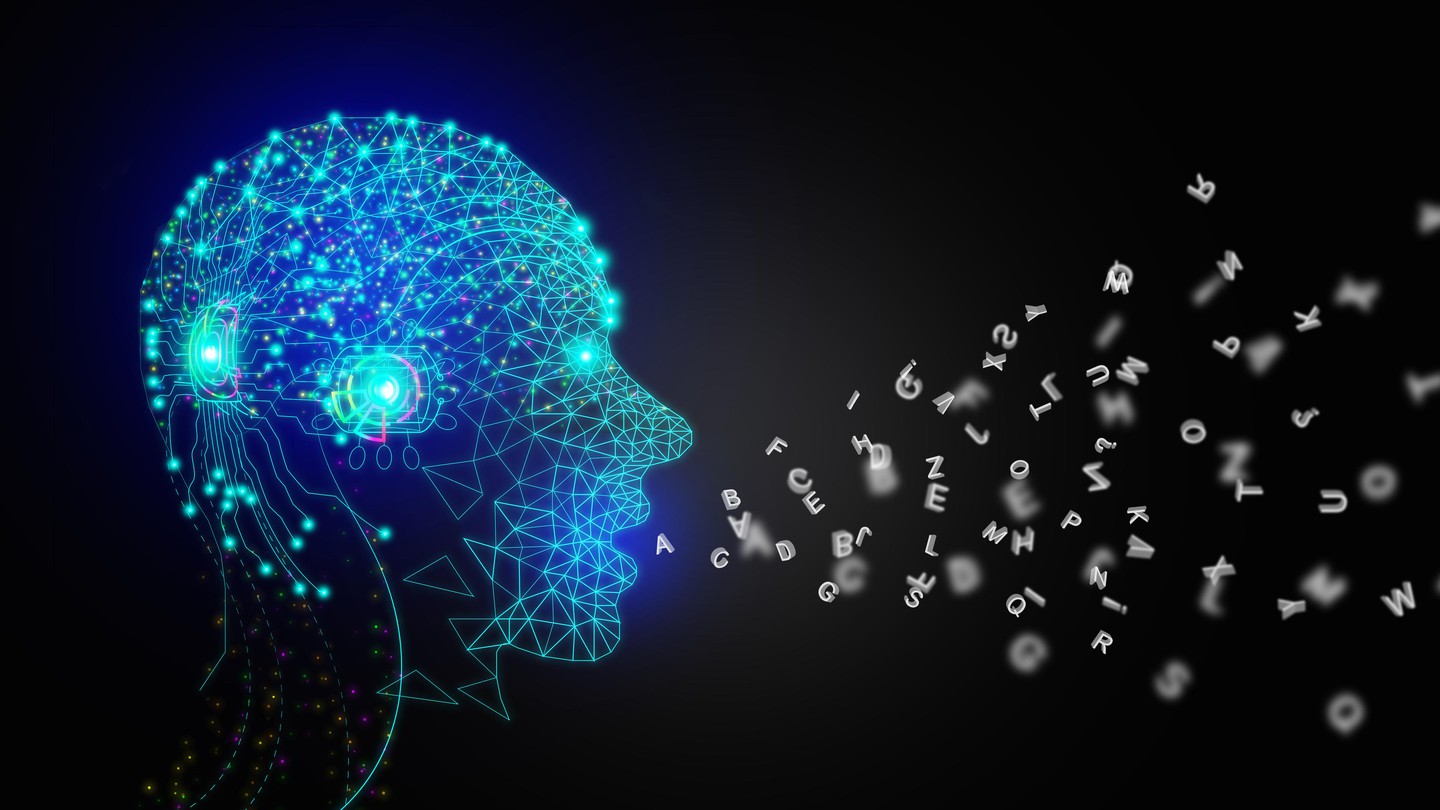
Comparing brain to hardware and mind to software seems to solve the mind–brain problem; often it merely redescribes it in computational vocabulary. The metaphor suggests separable entities, while what we call mind emerges from neural activity, bodily regulation, environmental action, memory and social practice in continuous coupling.
Artificial neural networks help generate hypotheses about distributed learning, weights and representations. The analogy ends where biography begins: a model has no metabolism, organic vulnerability, affective development or historical position. Verbal fluency is not evidence of consciousness, intentionality or understanding in the human sense.
A stronger explanation is multilevel. Neural mechanisms matter without cancelling psychological, interactional and sociocultural levels. Mind can be understood as a dynamic, embodied and situated process: no immaterial ghost is needed, but neither is a person reducible to circuitry.
Key points
- Computational metaphors are partial models, not ontological identities.
- Cognition depends on brain, body, environment, history and social interaction.
- Multilevel explanations avoid both dualism and neural reductionism.