
Memory can recognize the scene — and still swap the details
A study of adults aged 18 to 74 suggests that midlife may mark a change in how the hippocampus rebuilds experiences.
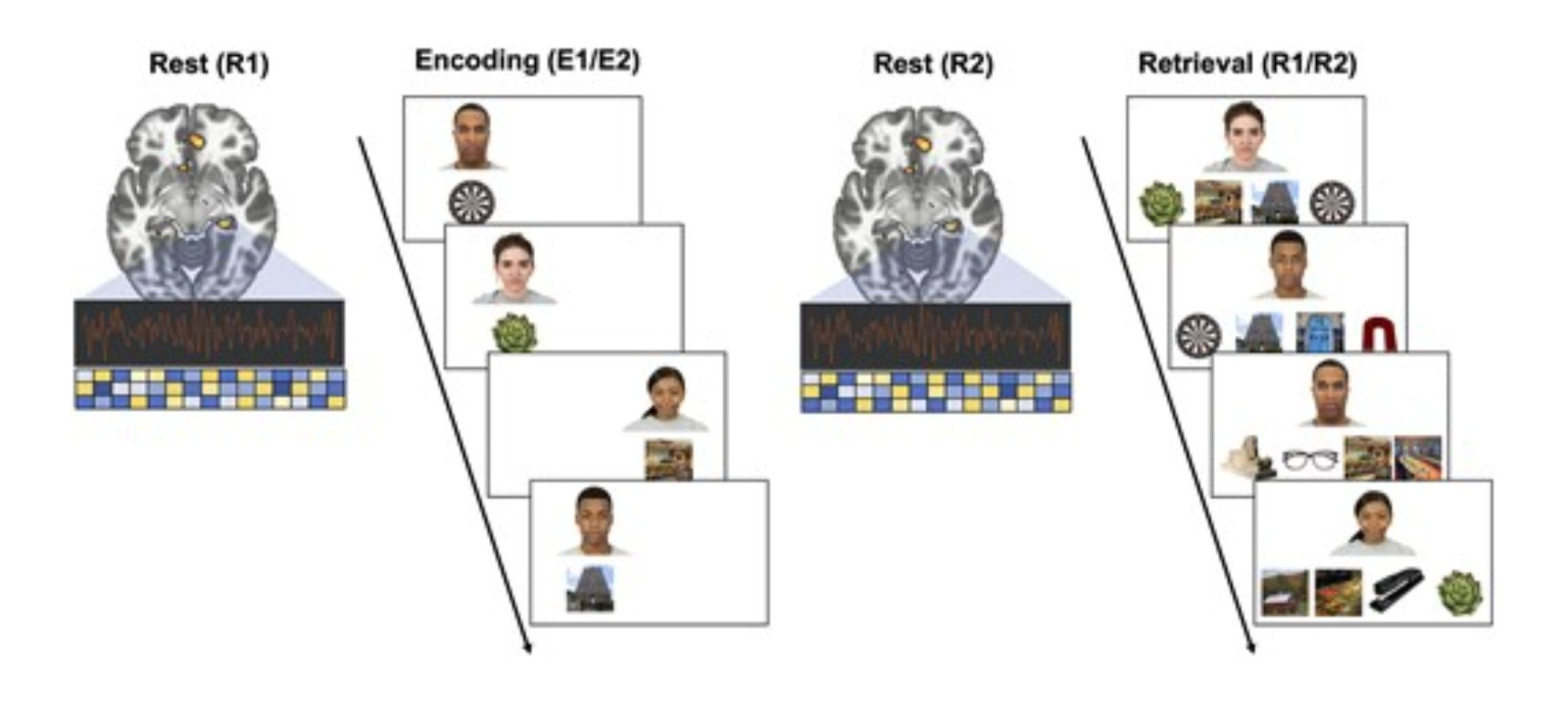
You recognize a face and know you have seen it, yet attach it to the wrong place. Destaw B. Mekbib and Ian McDonough of Binghamton University turned that familiar slip into an experiment. Reporter David Hermanovitch described the work for Binghamton News, the university news site, which served as the original news source for this article.
The researchers tested about 60 adults between 18 and 74 years old. Participants learned pairs consisting of a face and an object or scene, then tried to retrieve the correct combination five minutes later during functional magnetic resonance imaging, a method that estimates brain activity through blood-flow changes. The analysis centered on the hippocampus, a brain structure that binds events to context.
Accuracy dropped sharply between people in their twenties and thirties and those in their fifties. With age, binding errors became more common: participants recognized items they had seen but connected a face to the wrong object or scene. This is not simple forgetting; familiarity survives while the precise association that makes a coherent episode becomes less reliable.
Brain imaging supplied the unexpected result. Younger adults tended to err when the original activity pattern was weakly reactivated. In older adults, strong hippocampal reactivation could accompany a wrong answer, as though the brain recovered the broad category — object or scene — while reconstructing the wrong pair. The authors call this category-level misbinding.
The study is small and cross-sectional, meaning it compared different age groups at one point rather than following each person over time. It therefore cannot show that everyone follows the same course or diagnose disease. Selene Cansino’s review in Frontiers in Aging Neuroscience likewise finds that aging changes recollection networks in varied, task-dependent ways.
The supported conclusion is narrower than saying that memory simply “fails early.” Episodic associations may lose precision by midlife, and stronger hippocampal reactivation does not always mean a correct memory. The study does not establish cause, inevitability, or treatment; the decisive next step is to follow the same people for years and identify who remains stable.
Key points
- About 60 adults aged 18 to 74 took part in the experiment.
- Midlife participants more often preserved familiarity while swapping the face-context link.
- The cross-sectional association neither diagnoses disease nor proves inevitable decline.