
Tree diversity changes fungal remains before total soil carbon
Across 80 plots followed for nearly a decade, fungal necromass responded to species richness before detectable differences emerged in total carbon and nitrogen.
Leitura autorizada · 3 crédito(s) restante(s)
A young forest may change first in components rarely included in carbon inventories. In Germany’s MyDiv experiment, researchers followed 80 plots containing one, two or four tree species and different mycorrhizal associations. Diversity effects appeared in fungal remains before they were detectable in total soil carbon or nitrogen.
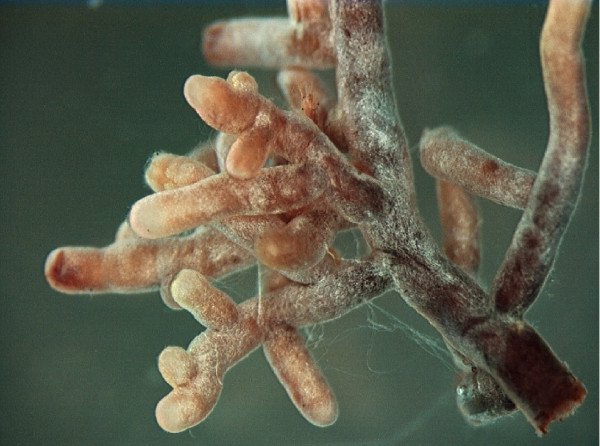
Mycorrhizae are partnerships between fungi and roots. The experiment included arbuscular-mycorrhizal trees, ectomycorrhizal trees and mixtures of both types. Samples collected in 2015, 2020 and 2024 divided the soil from the surface to one metre into eight layers.
Across the full profile in the first decade, concentrations of total carbon, total nitrogen and microbial necromass fell by about 3%, 17% and 14%. Their timing differed: nitrogen declined first to 40 centimetres; later, carbon decreased mainly at 5–40 centimetres while necromass declined throughout the profile.
Tree diversity had not yet produced a detectable difference in total carbon or nitrogen, but it had changed necromass, especially fungal material. Four-species mixed-mycorrhizal topsoils initially held 21–27% more microbial and fungal necromass than two-species plots. After about ten years, four-species ectomycorrhizal plots held roughly 24% more fungal necromass than single-species plots.
This does not mean the forest already stored more total carbon. The finding is temporal: an intermediate component of soil-organic-matter formation responded before the bulk pool changed measurably, making fungal necromass a candidate early indicator rather than proof of durable sequestration.
Led by the South China Botanical Garden with iDiv and Leipzig University, the study was published in Plant and Soil. Because it covers one temperate site and the first decade after planting, its percentages cannot be transferred directly to tropical forests or mature stands.
Key points
- Eighty plots compared one, two or four tree species and different mycorrhizae.
- Diversity affected fungal necromass before total carbon or nitrogen.
- One temperate site cannot establish carbon-stock gains across forests.
Comments
No comments have been published yet.
Sign in with a subscription to comment.