How the brain turns speech plans into phonemes
Intracranial recordings distinguish neural processes linking syllable-level planning to speech motor execution.
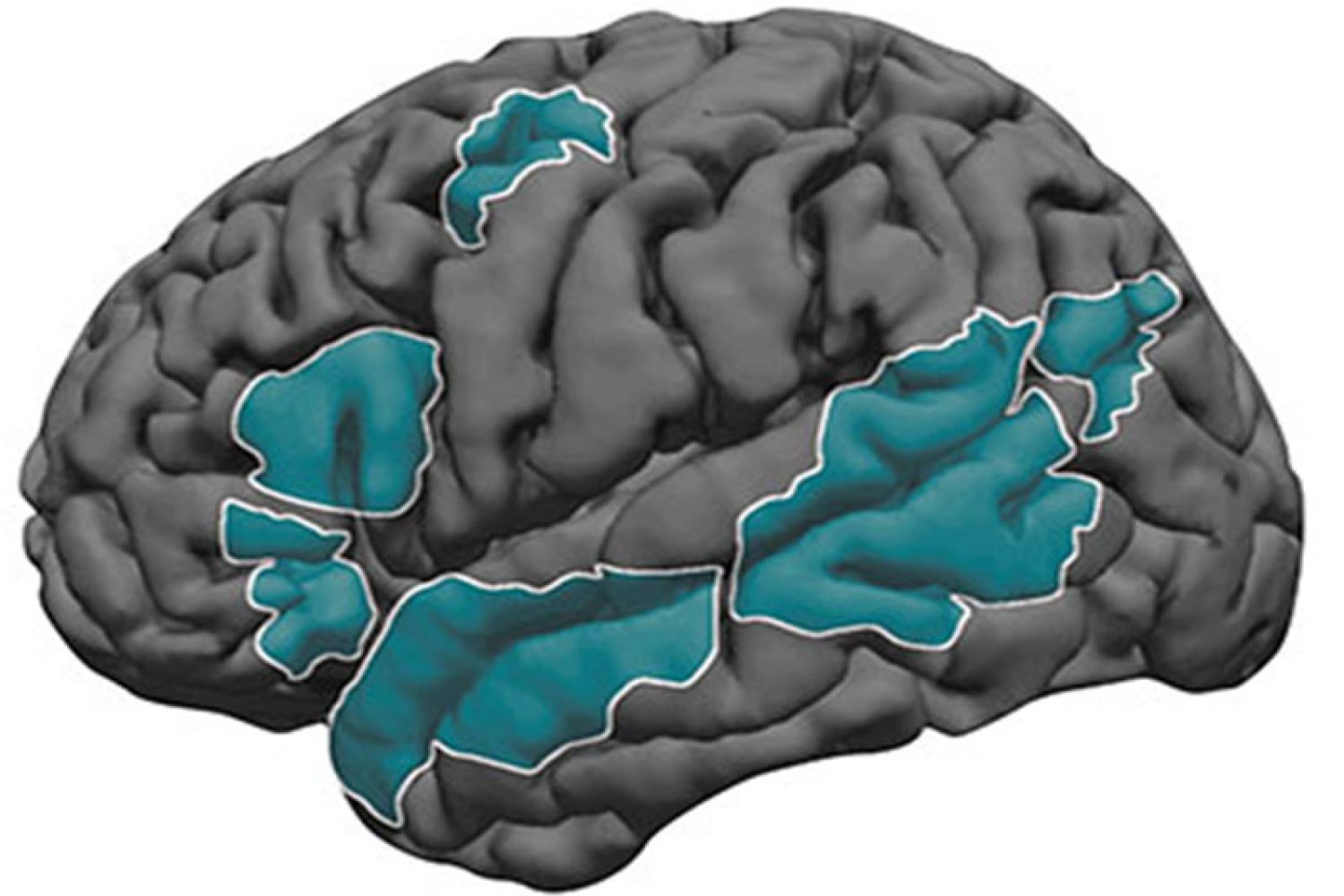
Speech feels continuous, yet it requires extraordinary temporal engineering: selecting words, arranging syllables, ordering phonemes and coordinating muscles within fractions of a second. A study summarized in Nature Human Behaviour used intracranial recordings to observe this transition at far higher resolution than conventional neuroimaging.
The findings suggest a cascade, not a single ‘speech centre’. Syllable-scale plans are associated with prefrontal cortex, while phoneme sequences emerge in motor circuits. The connection preserves a functional hierarchy without reducing language to isolated modules.
This matters for aphasia research and brain–computer interfaces. Yet decoding neural patterns is not the same as decoding intention, meaning or subjectivity. The signal measures one material stage of production; meaning remains distributed across linguistic history, interactional context and the body.
Key points
- Speech production recruits linked neural stages at different timescales.
- Syllable planning and phoneme sequencing are distinguishable but functionally connected.
- Neural speech decoding is not direct mind-reading or meaning-reading.